In health and safety, the Risk Assessment (RA) is frequently misunderstood. For many directors and site managers, it is seen as a paperwork hurdle, a document produced once, signed off, and then relegated to a dusty binder or a forgotten digital folder labelled Compliance.
But here is the reality: Treat your risk assessment as a tick-box exercise, and you aren’t just risking a fine. You are actively undermining your business’s ability to perform.
At Yorsafety, we advocate for Practical Safety. We believe safety should be an enabler of work, not an obstacle to it. To understand how to fix a broken RA system, we first need to look at the true, multi-layered cost of getting it wrong.
The Iceberg of Poor Safety Costs
When an accident occurs due to a generic, copy-paste or neglected risk assessment, most stakeholders only see the immediate splash. However, the most devastating damage usually happens below the waterline.
1. The Direct Financial Hits
These are the visible costs. Under the Sentencing Guidelines, HSE fines are now linked to turnover, meaning even basic failings can result in six or seven-figure penalties. Combine this with legal defence fees and the inevitable hike in insurance premiums, and a single poorly assessed hazard can wipe out a year’s profit.
2. The Performance Gap (The Hidden Drag)
A poor risk assessment often leads to inefficient workarounds. If a safety procedure is overly bureaucratic or doesn't reflect how the job is actually done, your team will find their own ways to work, often in secret and often in danger. This creates a shadow system, where management loses oversight of how tasks are truly being performed.
3. Cultural Erosion
This is perhaps the highest cost. If your team sees that management provides safety documents that are disconnected from their daily reality, trust evaporates. Once trust goes, so does your proactive safety culture. You lose the Early Warning System of staff reporting near-misses because they no longer believe the system is there to help them.

The Compliance Trap: Why Generic Assessments Fail
Many businesses fall into the Compliance Trap, the belief that having a document is the same as having a safe system. Generic templates found online rarely account for the specific variables of your site, your equipment, or your people.
A Paper-Safe business has all the right documents but none of the right actions. To move toward being people-safe, we must shift our focus from the document to the process.
Moving Beyond Red Tape: The Yorsafety Fix
How do we turn a stagnant document into a dynamic tool for growth? We use the EMERGE framework to reset the approach. Here is how you can begin fixing your risk assessments today:
1. Bridge the Gap: Work as Imagined vs. Work as Done
There is often a massive disconnect between how a manager thinks a task is performed and how the worker actually does it.
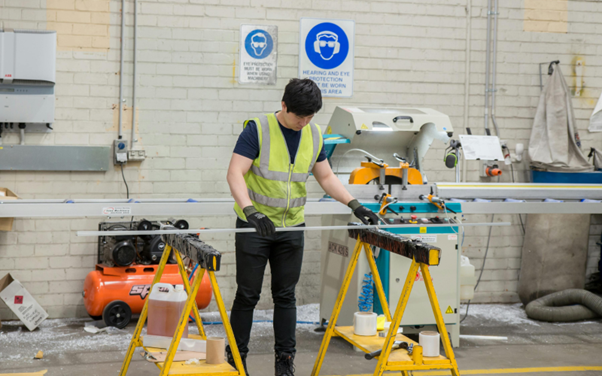
- The Action: Don't write your RA from the comfort of an office. Go to the shop floor or the site. Observe the normal work. If the written procedure is impossible to follow in the real world, the procedure is the problem, not the person. Adjust the assessment to reflect the reality of the task.
2. Eliminate Safety Noise
We have all seen assessments that spend three pages discussing office paper cuts or the temperature of the tea point, while glossing over the forklift operating ten feet away. This safety noise causes workers to tune out.
- The Action: Focus on Significant Risks. These are the high-impact, foreseeable hazards: falls from height, machinery entrapment, or hazardous substances. Use clear, direct language. If a hazard isn't likely to cause significant harm, don't let it bury the things that will.
3. Safety as a Conversation, Not a Command
Consultation isn't just a legal box to tick; it is a strategic advantage.
- The Action: Engage your team in the creation of the assessment. They are the subject matter experts of their own roles. When workers help design the control measures, they take psychological ownership of them. They aren't following the rules; they are following their plan.
 Learn, Improve, Grow
A risk assessment should never be finished. It is a living document that must evolve alongside your business. By moving away from red tape and toward practical, sensible safety systems, you protect your most valuable asset: your people.
When you fix your risk assessments, you don’t just reduce the chance of an accident. You improve the flow of your work, the morale of your team, and the health of your bottom line.
Is your safety system due for a reset? At Yorsafety, we specialise in cutting through the bureaucracy to provide bespoke, pragmatic safety solutions that actually work.