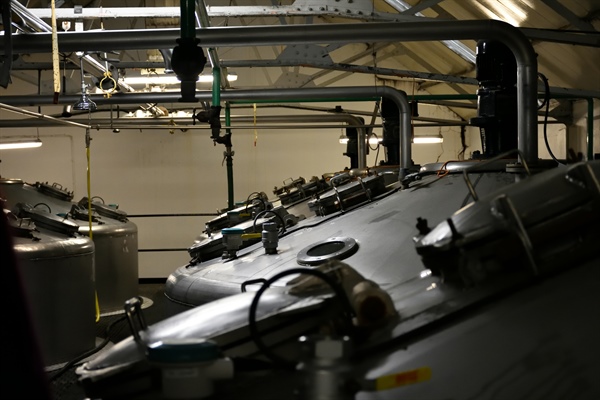
What is a Confined Space?
A confined space is any area that:
- Is not designed for continuous occupancy: These spaces are typically meant for specific tasks rather than long-term occupancy.
- Has limited entry or exit points: Restricted access can make it difficult for workers to enter or leave safely.
- Presents potential hazards: These may include toxic gases, oxygen deficiency, or the risk of engulfment.
- Has a specified risk: Risk that is reasonably foreseeable that someone could suffer serious injury are fatality from fire, explosion, loss of consciousness, asphyication, drowning or being overcome by a free-flowing solid.
Examples of confined spaces include storage tanks, sewers, manholes, pipelines, and crawl spaces.
Risks Associated with Confined Spaces
Working in confined spaces can expose employees to a range of serious hazards, including:
- Oxygen Deficiency: Oxygen levels can drop due to poor ventilation, chemical reactions, or displacement by other gases.
- Toxic Atmospheres: Dangerous gases, such as hydrogen sulphide or carbon monoxide, can accumulate in confined spaces.
- Fire and Explosion: Flammable substances or gases can ignite, leading to catastrophic incidents.
- Engulfment: Workers can be trapped or suffocated by materials such as grain, sand, or liquids.
- Physical Hazards: Tight spaces may pose risks of falls, entrapment, or contact with machinery.
- Limited Escape Routes: In an emergency, restricted access can delay evacuation and rescue efforts.
Legal Requirements for Confined Spaces
In most countries, regulations require employers to take specific steps to protect workers in confined spaces. Common legal obligations include:
- Risk Assessments: Identifying potential hazards before allowing entry.
- Permit-to-Work Systems: Establishing formal procedures for entering confined spaces.
- Training: Ensuring workers are trained to recognise hazards and use protective equipment.
- Rescue Plans: Developing and practicing emergency response procedures.
Control Measures for Confined Spaces
To mitigate the risks of confined spaces, employers must implement a combination of engineering controls, administrative measures, and personal protective equipment (PPE).
1. Engineering Controls
- Ventilation: Use mechanical ventilation systems to maintain safe air quality.
- Gas Detection: Install monitoring devices to detect toxic gases or low oxygen levels.
- Lighting: Ensure adequate lighting to improve visibility and reduce risks of accidents.
- Barriers and Guards: Install physical barriers to prevent unauthorised access.
2. Administrative Controls
- Permit-to-Work Systems: Require permits for confined space entry, detailing hazards, controls, and emergency procedures.
- Training and Competency: Provide workers with training on hazard recognition, safe entry procedures, and rescue techniques.
- Entry Supervision: Assign a competent person to oversee confined space activities.
- Signage: Post clear warning signs to alert workers to confined space hazards.
3. Personal Protective Equipment (PPE)
When engineering and administrative controls are insufficient, PPE can provide additional protection. Examples include:
- Respiratory Protection: Use masks or respirators to safeguard against harmful gases.
- Harnesses and Lifelines: Provide fall protection and facilitate rescue operations.
- Protective Clothing: Ensure workers wear gear suitable for the specific hazards present.
Emergency Preparedness
Even with rigorous controls, emergencies can occur in confined spaces. Employers should:
- Develop a Rescue Plan: Outline steps for safely rescuing workers in an emergency.
- Equip Rescue Teams: Provide specialised equipment, such as breathing apparatus and retrieval systems.
- Practice Drills: Conduct regular training to ensure workers and rescue teams are prepared.
- Maintain Communication: Use radios or other devices to stay in contact with workers inside confined spaces.
Steps for Safe Confined Space Entry
Before workers enter a confined space, follow these essential steps:
- Conduct a Risk Assessment: Identify potential hazards and determine whether entry is necessary.
- Test the Atmosphere: Use calibrated gas detectors to check for oxygen levels and toxic substances.
- Implement Controls: Set up ventilation, barriers, and PPE as required.
- Complete a Permit: Ensure all necessary approvals are in place before entry.
- Monitor Conditions: Continuously check air quality and other hazards while workers are inside.
Benefits of Proactive Confined Space Management
When confined spaces are managed effectively, organisations can:
- Prevent Accidents: Reduce the likelihood of injuries or fatalities.
- Enhance Compliance: Meet legal and regulatory requirements.
- Boost Worker Confidence: Show employees that their safety is a priority.
- Improve Efficiency: Reduce downtime caused by incidents or unsafe conditions.
Conclusion
Confined spaces present unique risks that require careful planning and control. By understanding the hazards, adhering to legal requirements, and implementing robust safety measures, employers can protect their workforce and create a safer workplace. Remember, the key to confined space safety is preparation, communication, and a commitment to ongoing improvement.
TTFN!